


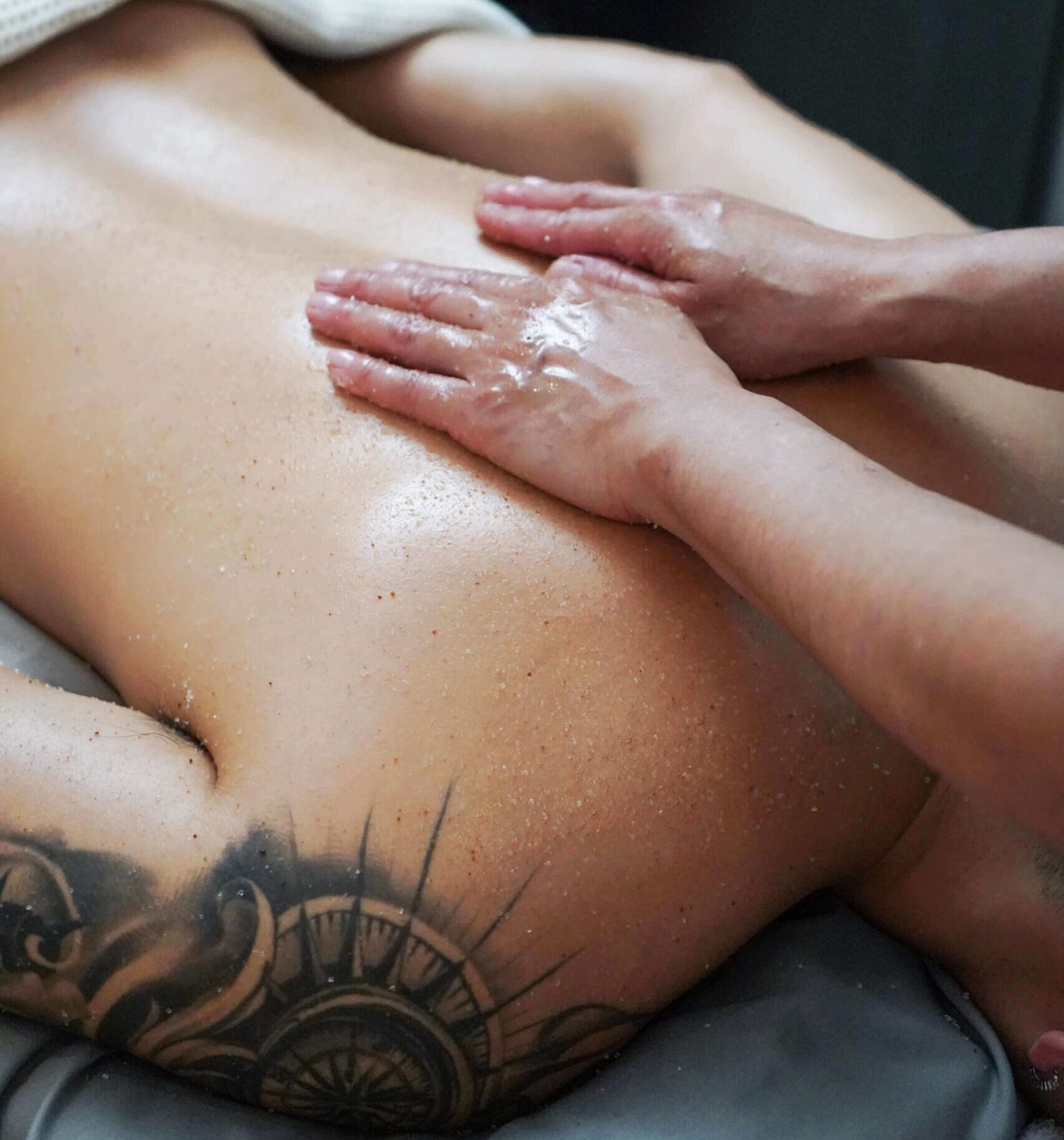
Massage often gets labelled as a luxury or “pamper session,” something nice to do when you have time or just need to unwind. But the science and clinical experience tell a very different story: massage therapy is one of the most powerful forms of preventative healthcare available today.
From supporting your nervous system to enhancing circulation, regulating stress hormones, improving immune function and helping maintain mobility — regular professional massage does far more than make you feel good in the moment. It helps keep your body functioning optimally so small problems don’t turn into chronic health issues.
Your Body Runs Better With Regular Care
The human body is constantly responding to stress — physical, emotional, and environmental. When stress is unmanaged, it keeps the nervous system in a heightened “fight or flight” state. Over time this contributes to tension, weakened immunity, poor sleep, pain, anxiety and metabolic imbalances.
Massage therapy works directly with the body’s systems to restore balance, not just temporarily, but in ways that support long-term health:
- it activates the parasympathetic nervous system — promoting relaxation, repair and digestion
- it reduces stress hormones like cortisol and adrenaline
- it increases the production of feel-good chemicals like endorphins, serotonin and dopamine
- it increases blood and lymphatic circulation, helping your body remove waste and deliver nutrients where they’re needed most
- it reduces muscle tension that, if left unmanaged, often leads to pain and injury later in life
Massage Promotes Real Physiological Changes
Professional massage isn’t just “pleasant touch.” There is evidence showing that repeated massage sessions have measurable impacts on your body’s biology:
1. Stress Hormone Regulation
Massage has been shown to reduce levels of cortisol — the primary stress hormone — which in turn helps lower blood pressure, calm the nervous system, and support emotional balance. This isn’t just relaxation; it’s systemic relief that protects your cardiovascular and immune systems.
2. Enhanced Circulation & Immune Support
By stimulating blood flow and activating the lymphatic system, massage improves nutrient delivery and helps flush toxins. Better circulation supports tissue repair, reduces inflammation, and boosts the immune response, helping you stay healthier longer.
3. Muscle & Connective Tissue Health
Massage helps break up muscular tension and adhesions that, when left untreated, contribute to chronic pain, reduced mobility, and postural strain. This can prevent future injuries and improve how you move day-to-day.
4. Nervous System Balance
Regular therapeutic massage shifts the body out of stress mode and into a “rest & repair” state. This physiological shift has cascading benefits — from improved sleep quality to slower heart rate and reduced anxiety.
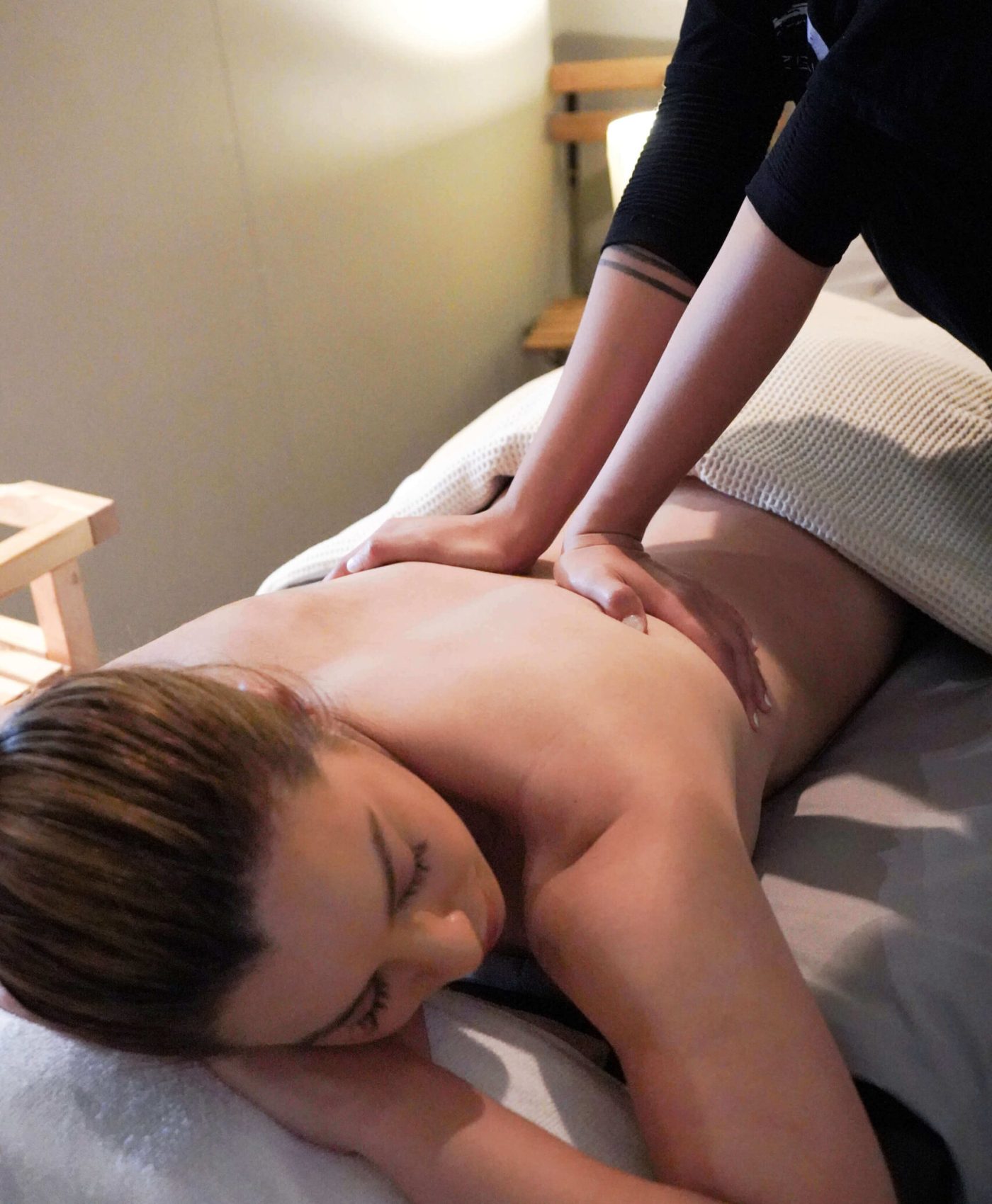
Massage Is a Healthcare Habit, Not a One-Off Treat
If you think of massage only when you’re sore or stressed, you’re missing the preventative value it can provide. Like regular dental check-ups, healthy eating, or exercise, the true power of massage comes from consistency over time.
Just as vaccines prepare your immune system to resist disease, and exercise trains your muscles to prevent injury, regular massage:
- reduces the chronic buildup of tension
- supports immune resilience
- improves sleep and recovery
- reduces reliance on medication for pain and stress
- helps manage ongoing strains from work, posture or lifestyle
By keeping your body functioning well now, you prevent future breakdowns that are harder to fix later.
Real Health Benefits Worth Investing In
Better Stress Management
Stress contributes to inflammation, headaches, insomnia, anxiety, and mood swings. Regular massage helps regulate stress hormones and activate relaxation pathways.
Improved Sleep Quality
Massage triggers physiological responses that prepare your body for restorative sleep — deeper and more consistent rest.
Pain Prevention & Mobility
Rather than waiting until tension becomes injury, regular massage keeps tissues pliable, supports joint range of motion, and reduces pain triggers before they escalate.
Stronger Immune Function
Massage enhances lymphatic flow and increases white blood cell activity — giving your immune system a boost so you’re less vulnerable to illness.
Emotional & Cognitive Balance
When the body relaxes, the mind follows. Many people experience better mood control, reduced anxiety, and clearer thinking after ongoing massage therapy.
Massage as Part of a Preventative Healthcare Strategy
Healthcare isn’t just about fixing problems, it’s about supporting ongoing wellness — and that’s exactly what regular massage does.
Doctors, physiotherapists, psychologists, and medical researchers increasingly recognise massage as a complementary therapy that enhances recovery, reduces stress, and supports long-term wellbeing alongside conventional treatment.
Instead of waiting for pain, mood disruption, or tension headaches to arrive, integrating regular massage into your health routine helps keep your body balanced, adaptive, and resilient.
Not Just for Illness — For Everyday Health
Whether you’re healthy, active, sedentary, stressed, or in recovery — massage has a role to play.
It supports:
- people with desk jobs and posture issues
- those training for sport or managing training load
- anyone experiencing stress or anxiety
- people with ongoing muscle tension or sleep challenges
- older adults seeking mobility support
- anyone who values quality of life and wellbeing
How Often Should You Get Massage for Preventative Health?
While personalised programs vary, many health professionals recommend:
- Monthly sessions for stress regulation and mobility maintenance
- Bi-monthly or weekly sessions during periods of high stress or physical strain
- Shorter, frequent sessions for acute issues or rehabilitation
Consistency — not intensity — is the key to maintaining long-term benefits.
Massage is far more than a luxury — it is an accessible form of preventative healthcare that supports your body’s natural healing systems, helps regulate stress, enhances immunity, improves movement, and contributes to overall wellbeing.
When used as part of a holistic health routine, massage can help you stay healthier, function better, and feel more resilient — day after day, year after year.