
Spa journal
How to Recover Faster from Long Work Hours & Screen Fatigue


Long workdays, constant emails, and hours spent in front of screens have become part of modern life — especially for professionals working in Sydney’s CBD. But feeling drained, foggy, tense, or sore at the end of every day shouldn’t be considered normal.
Screen fatigue and long work hours don’t just affect your eyes. They impact your posture, nervous system, sleep quality, and overall wellbeing. Without proper recovery, this daily strain can quietly turn into chronic tension, headaches, burnout, and reduced focus.
This guide explains how to recover faster, feel more balanced after work, and support your body before fatigue becomes a long-term problem.
Why Long Work Hours & Screen Time Take Such a Toll
Screen fatigue is more than tired eyes. It’s a full-body stress response.
When you spend hours working at a computer:
- Your eyes stay locked into close focus
- Blinking reduces, leading to dryness and headaches
- Your neck and shoulders hold tension for long periods
- Your breathing becomes shallow
- Your nervous system remains in a constant “on” state
Over time, this leads to:
- headaches and eye strain
- neck, shoulder, and upper-back pain
- difficulty switching off after work
- poor sleep quality
- mental fatigue and irritability
Recovery needs to address both physical tension and nervous system overload.
1. Stop Pushing Through — Breaks Improve Recovery
One of the biggest mistakes busy professionals make is working continuously and resting only when they’re exhausted. Recovery works better when it happens before fatigue peaks.
Helpful habits:
- Step away from your screen every 30–45 minutes
- Change your visual focus regularly
- Stand, stretch, or walk briefly during the day
A simple technique:
- Every 20 minutes, look at something in the distance for around 20 seconds
- Blink slowly a few times to reset eye moisture
These small pauses reduce eye strain, mental overload, and muscle tension far more effectively than powering through.
2. Address the Neck & Shoulder Tension Early
Screen fatigue often shows up first in the neck and shoulders. Forward-head posture, rounded shoulders, and subtle jaw clenching put constant strain on these areas.
Over time, this can lead to:
- tension headaches
- shoulder tightness
- reduced neck mobility
- lingering stiffness even after rest
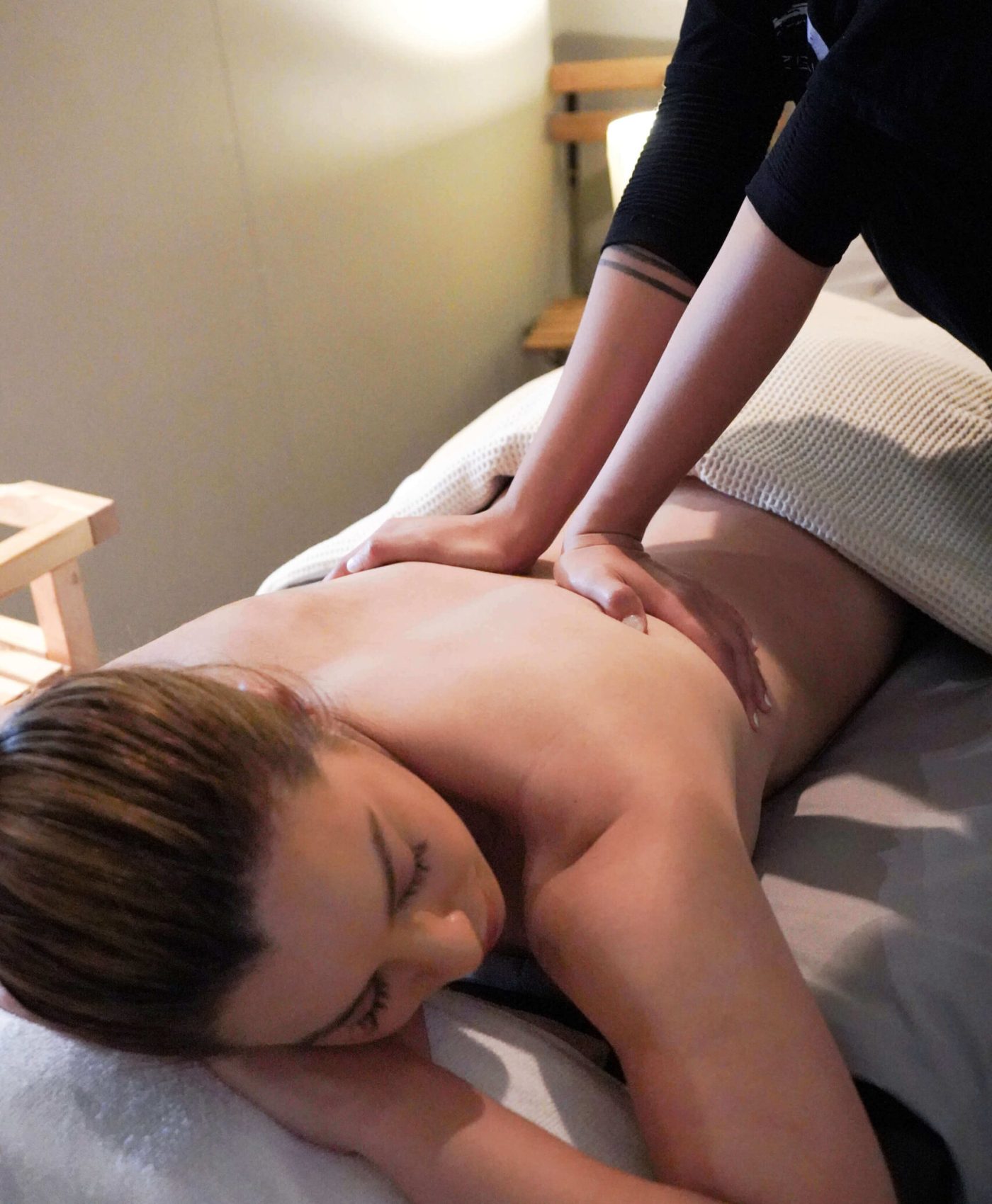
Improving your setup helps, but tension still accumulates during long days. This is where regular release of the neck, shoulders, and upper back becomes essential for recovery — not optional.
3. Gentle Movement Restores Energy Faster Than Rest Alone
Sitting for long periods slows circulation and makes fatigue linger.
To recover more effectively:
- Take short walks during the day
- Stretch your neck, shoulders, and hips
- Stand during phone calls
- Avoid staying seated for hours without moving
Movement helps your body reset by improving blood flow and reducing muscular stiffness — even if it’s light and brief.
4. Support Your Eyes — They’re Working Constantly
Eyes work harder on screens than most people realise.
To reduce screen-related fatigue:
- Position your screen at a comfortable distance
- Reduce glare from lighting or windows
- Increase text size to avoid squinting
- Blink consciously while working
If your eyes often feel heavy, dry, or sore, that’s a signal they need more frequent rest — not stronger focus.
5. Create a Clear End-of-Work Transition
Many people finish work physically but stay mentally “switched on” for hours. This slows recovery and affects sleep.
Helpful end-of-day resets include:
- A short walk after finishing work
- Stretching or a warm shower
- Changing clothes to mark the end of the workday
- Reducing screen use in the evening
Your body needs a clear signal that work is done so it can move into recovery mode.
6. Sleep Is the Foundation of Recovery
Without good sleep, fatigue accumulates no matter what else you do.
Support better sleep by:
- Keeping consistent sleep and wake times
- Dimming lights in the evening
- Avoiding screens before bed
- Keeping your bedroom cool and quiet
If tension or restlessness makes sleep difficult, it’s often because stress and muscle load haven’t been released during the day.
7. Release Physical Stress Before It Becomes Chronic
Long work hours and screen use often lead to:
- tight shoulders
- stiff neck
- jaw tension
- upper-back discomfort
When this tension isn’t released regularly, it settles deeper into the body and becomes harder to shift.
Supportive recovery practices include:
- stretching
- breathing exercises
- professional massage to release muscle load and calm the nervous system
Massage is particularly effective for desk-related fatigue because it addresses both muscular tension and stress regulation, helping the body recover more completely.
Signs You’re Not Recovering Properly
If you notice these regularly, your body is asking for better recovery:
- headaches or eye strain after work
- stiffness that doesn’t ease overnight
- trouble focusing late in the day
- irritability or mental fog
- difficulty switching off at night
These aren’t signs of weakness — they’re early warning signals.
A Smarter Way to Recover After Work
Recovering faster isn’t about doing less work — it’s about supporting your body consistently.
Focus on:
- regular breaks
- posture awareness
- gentle movement
- eye care
- clear work-life boundaries
- quality sleep
- releasing built-up tension
When recovery becomes part of your routine, energy improves, stress reduces, and work becomes more sustainable.
Long work hours and screen time are part of modern life — but constant fatigue doesn’t have to be. With the right daily habits and proper physical recovery, your body can reset faster and stay resilient.
At Zen Day Spa, many clients book regular massage as part of their recovery routine — not as a luxury, but as a way to manage work-related tension, support sleep, and maintain long-term wellbeing.
Recovery is what allows you to keep performing well — without burning out.
Share On: