
Spa journal
Massage Myths vs What Actually Works for Muscle Tension — Insights from Sydney Locals
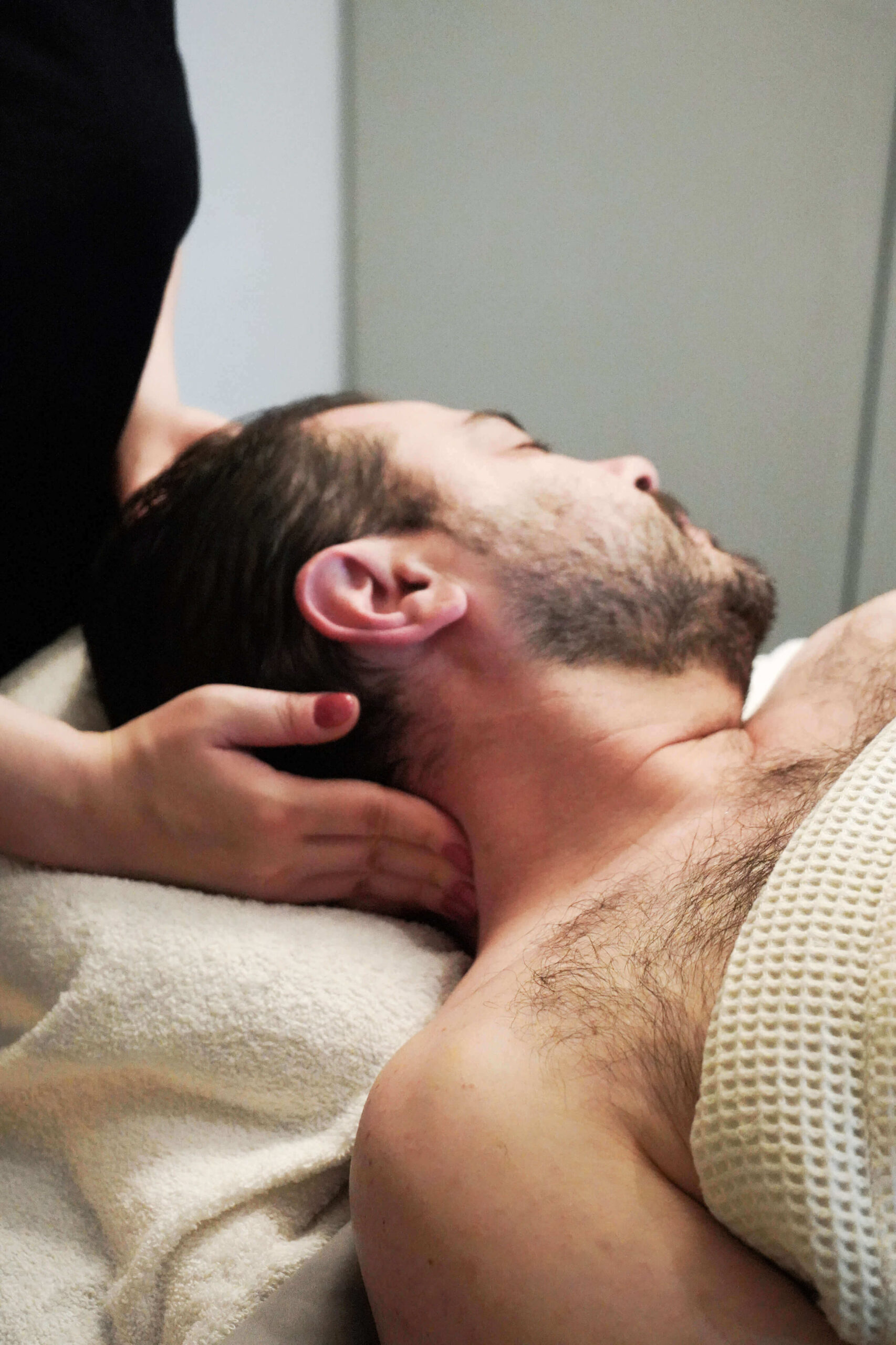
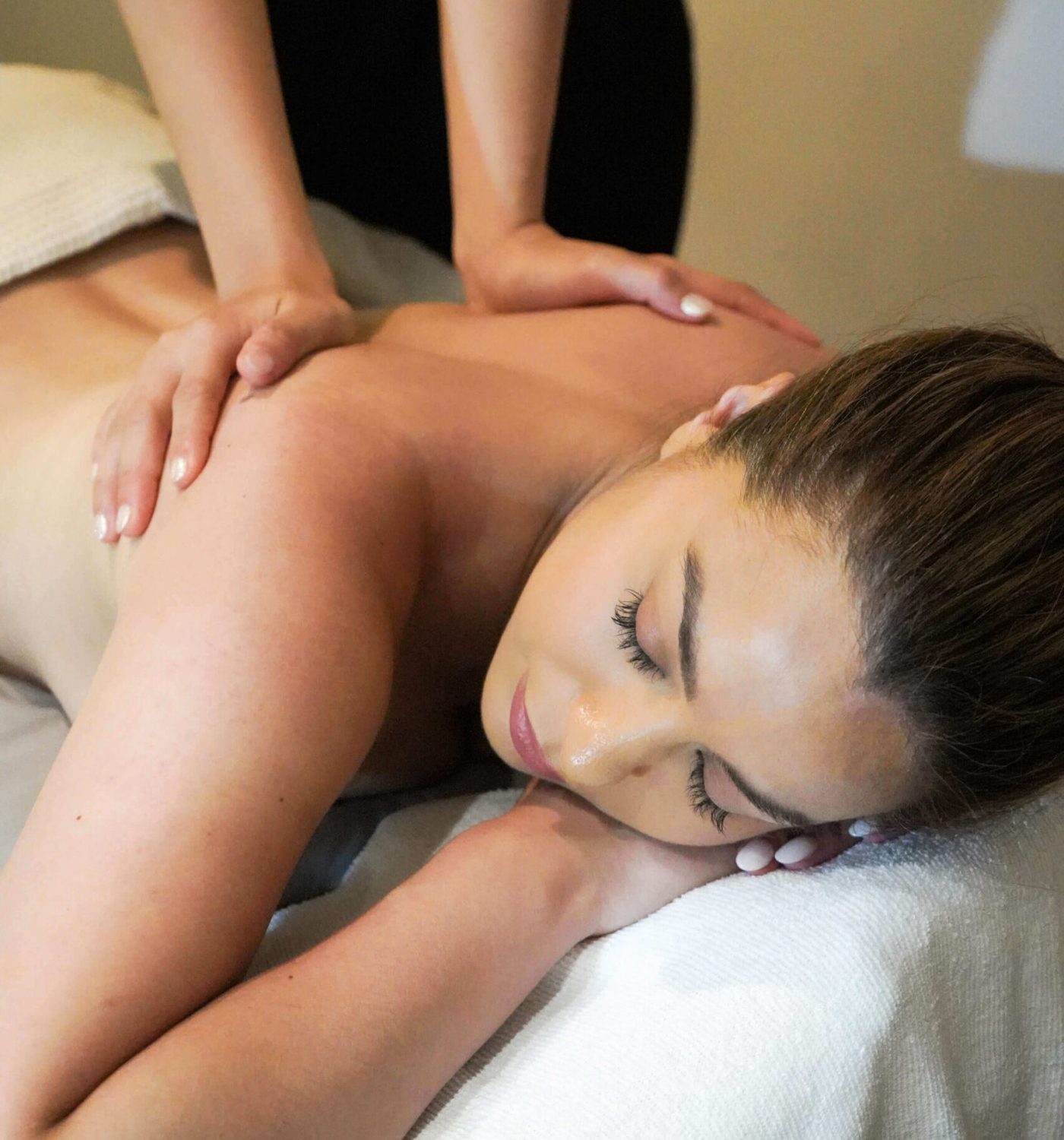
Sydney locals love massages — but not everything people believe about massage is true. With busy commutes, long desk hours, AC exposure, training fatigue, and fluctuating stress cycles, many people in inner Sydney search for relief but carry misconceptions about what massage can and can’t do. These myths can shape expectations, delay care, or lead people to the wrong style of treatment. Understanding the difference between assumption and outcome helps you choose smarter wellness rituals — especially if you book massages based on value, timing, and real recovery.
At Zen Day Spa, located in Potts Point — only minutes from Sydney CBD and Kings Cross — we’ve seen a clear pattern: people don’t just want relaxation, they want results that don’t drain their energy, restore circulation, soften fascia tension, and quiet the nervous system without intensity overload. Let’s unpack the most common myths and replace them with what actually works.
Myth 1: “Massage should hurt to work”
Many people believe that if a massage doesn’t hurt, it isn’t effective. In reality, pain isn’t a marker of success — it’s a marker of pressure tolerance. Effective tension release focuses on muscle layers and fascia, not how much discomfort you can endure. Therapist-led moderate pressure, rhythmic techniques, and intentional tissue work improve circulation and reduce holding patterns without leaving you drained or sore. For people who carry tension intermittently — even during stable activity — gentle-to-moderate pressure resets often work better than intense pressure spikes.
Explore massages near Sydney CBD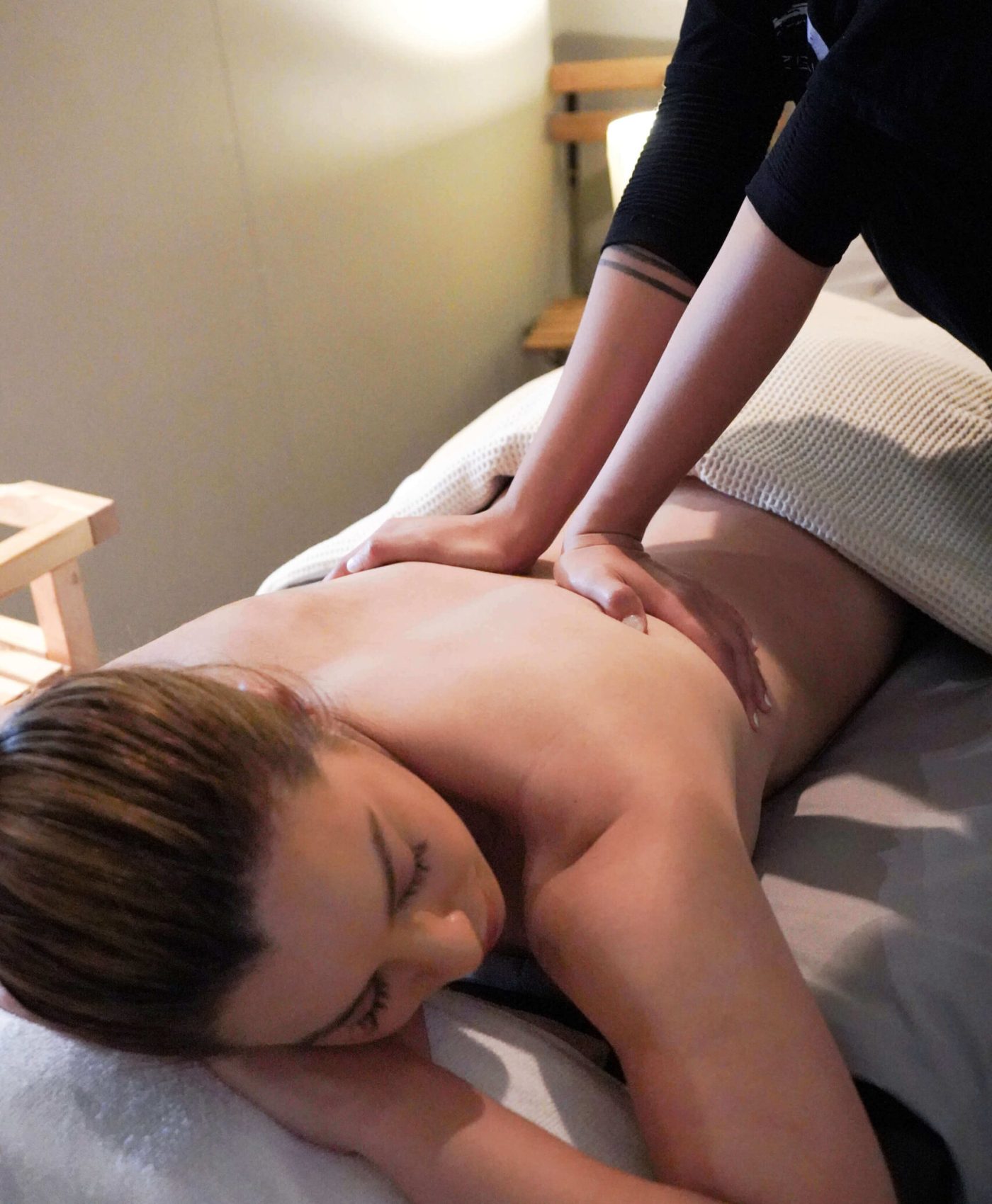
Myth 2: “Massage and sports massage are the same”
Sports massage is goal-specific and intensity-based. Therapeutic tension release is outcome-based — focused on fascia softening, circulation, mobility, and nervous system down-regulation. Many Sydney clients who don’t feel “power loss,” but feel upper-body holding or intermittent jerk-like tension, respond better to therapist-intuitive bodywork than rigid sports routines.
Myth 3: “Massage alone fixes long-term posture tension”
Massage is most effective when combined with breathing regulation, warm oil flows, circulation support, and therapist-guided pressure adjustments. Many professionals carry posture tension from screen hours and commuting. These patterns release faster when therapists work with the body’s natural rhythm rather than scripted pressure sequences.
Myth 4: “A massage reset takes hours to work”
Not true. Targeted sessions of 30–75 minutes can create:
- improved mobility
- better tissue oxygenation
- reduced muscle guarding
- deeper breathing
- calmer mental state
- sleep regulation the same night
The key is where and how tension is treated, not duration alone.
Myth 5: “Facial and massage goals compete”
Actually, they complement. Many Sydney clients pair massages with facials that enhance hydration, antioxidants, barrier repair, and same-day radiance without downtime. This combo is especially effective before holidays, photos, or evenings out.
Explore spa-grade skincare options.What Actually Works for Muscle Tension in Sydney
1. Therapist-Led Pressure, Not Scripted Pressure
Tension release works best when:
- therapists adjust pressure by muscle response, breathing, and fascia feedback
- techniques are rhythmic, targeted, and intuitive
- you leave feeling restored, not drained
This is especially effective for AC-triggered or fluctuating tension cycles.
2. Warm Oil Flow Rituals
Heated oil-based Swedish flows soften fascia tension, calm muscle guarding, improve tissue vascularisation, and promote circulation gently.
Discover Zen Hot Oil Massage3. Targeted Head, Neck & Traps Combo
The most common tension zones for Sydney locals are:
- scalp (mental noise and head pressure)
- neck (forward posture and screen fatigue)
- traps (bag carrying, commuting, and stress holding)
4. Breathing + Tissue Circulation Support
Massage is amplified when therapists help you:
- slow breathing
- open chest fascia
- soften neck guarding
- regulate nervous system feedback loops
Couples and professionals often report better sleep quality the same night when massage works on breathing rhythm and tissue oxygenation, not just muscle surface pressure.
Timing & Value-Based Spa Specials
Sydney locals often book by value windows, seasonal resets, or gifting occasions. If you’re someone who books based on timing and usability, you’ll love exploring:
View our year-end voucher specials Explore weekday spa perksShare On: