
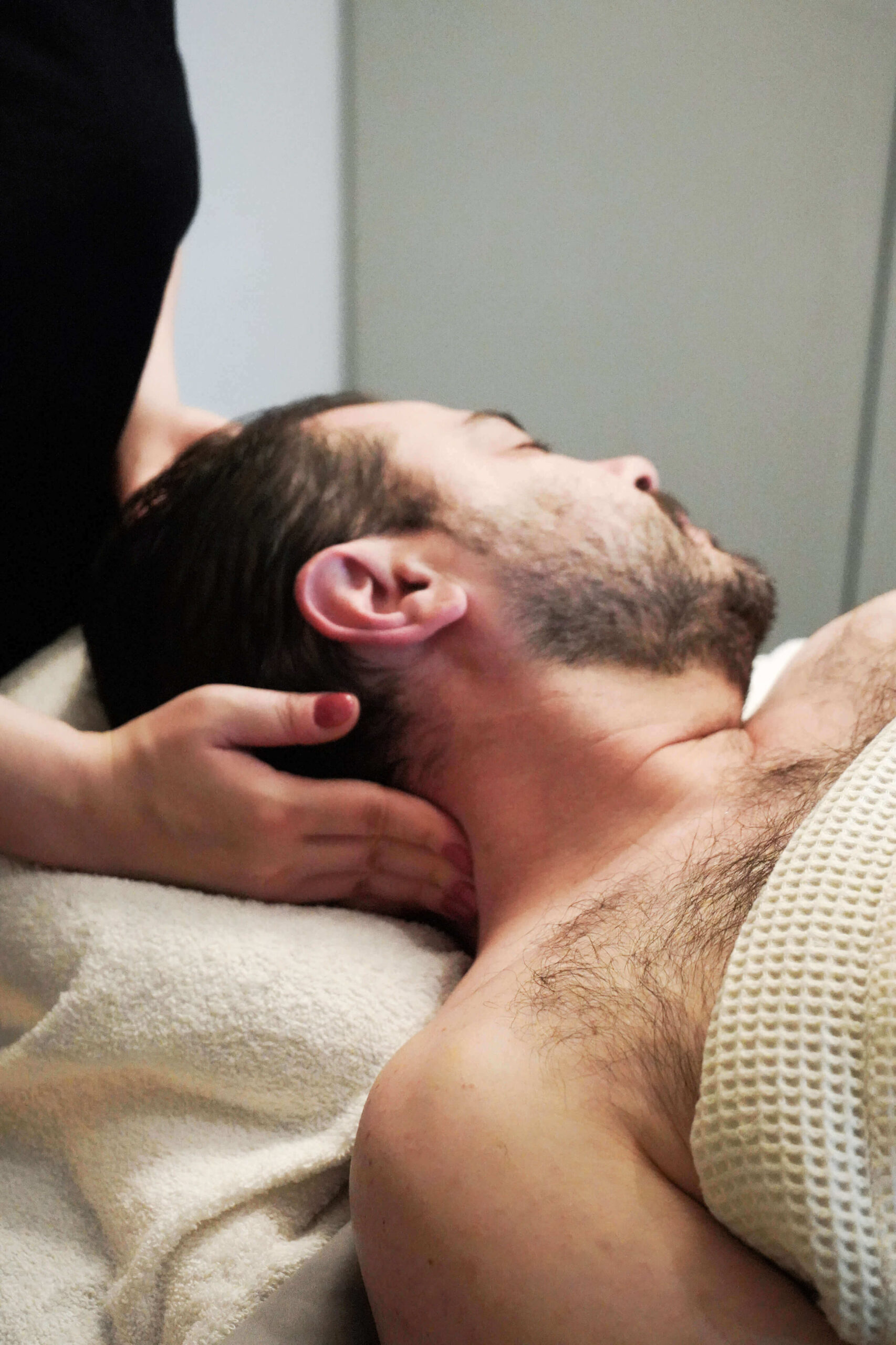
In today’s digital world, long hours on laptops, phones and screens are almost unavoidable. But this convenience comes with a physical cost: tech neck, poor posture, neck tension, shoulder pain and upper back fatigue — all increasingly common complaints among desk workers, remote professionals and students alike.
If you’ve ever finished the day with a stiff neck, rounded shoulders or tension headaches that just won’t quit, you’re not alone — and massage therapy can help.
This article explains how massage works, why it’s effective, and which styles deliver the best results for posture-related pain.
What Is Tech Neck & Poor Posture?
Tech neck describes the discomfort and strain caused by prolonged forward head posture — typically from looking down at screens. In this position, the head shifts forward and increases stress on the neck, shoulders and upper back muscles.
Normally, your head sits balanced above your spine. But when you lean forward even slightly, the load on your neck muscles increases dramatically, forcing them to work harder just to hold your head up. Over time, this leads to:
- Neck, shoulder and upper back pain
- Stiffness and reduced range of motion
- Rounded shoulders and forward head posture
- Tension headaches
- Muscle imbalances and discomfort
- Muscle fatigue and tightness
Even simple activities like texting, laptop work on the couch, or reading on your phone can contribute to these postural problems when done for long periods without breaks.
Why Poor Posture Causes Pain
Your neck and upper back are designed to maintain a neutral spine. When your head sits forward of this neutral posture, the muscles in your neck — such as the trapezius, sternocleidomastoid and cervical extensors — have to compensate to keep your head upright. Over time, this leads to overuse, stiffness and micro-injuries that show up as pain or tension.
Additionally, prolonged poor posture can lead to:
- Tight muscles in the chest and front of the shoulders
- Weak upper back muscles
- Altered spinal curves
- Reduced mobility and movement patterns
How Massage Helps Relieve Tech Neck & Poor Posture
Massage therapy is an effective, non-invasive way to address the muscular and soft tissue components of tech neck, poor posture and screen fatigue. Here’s how:
1. Releases Muscle Tension & Knots
When postural muscles remain tight from repetitive forward head posture, massage helps by:
- Breaking up adhesions and trigger points
- Relaxing overworked muscles in the neck, upper back and shoulders
- Reducing stiffness, soreness and tension
All of this improves movement and reduces pain.
2. Improves Blood Flow & Healing
Massage increases circulation to tense muscles, which:
- Delivers oxygen and nutrients
- Removes metabolic waste
- Speeds recovery
- Reduces inflammation
This improved blood flow supports long-term relief rather than just short-term comfort.
3. Supports Better Posture
By reducing chronic tightness and restoring muscle length, massage helps realign postural imbalances. When tight muscles release, the body can more easily maintain a neutral head and shoulder position, making posture correction easier over time.
4. Calms the Nervous System
Chronic muscle tension increases stress signals in the nervous system. Massage activates relaxation responses, reducing pain perception and helping your body stay relaxed — which can further reinforce good posture habits.
5. Restores Range of Motion
Tense tissues restrict movement. Massage increases flexibility in the neck and shoulder muscles, which improves your ability to move freely and comfortably throughout the day.
Best Massage Types for Tech Neck & Posture Issues
Different massage styles offer varied benefits. The most effective for posture and screen-related pain include:
Remedial Massage
Focused and therapeutic, remedial massage targets the specific muscles and trigger points that cause pain and restriction. Excellent for chronic tech neck issues and long-standing postural imbalances.
Deep Tissue Massage
Penetrating deeper into the muscle and connective tissue, deep tissue massage helps release chronic tension and scar tissue — ideal for office workers with persistent neck and shoulder tightness.
Relaxation / Swedish Massag
While lighter in pressure, this style boosts circulation and calms the nervous system — perfect if stress contributes to your muscle tension.
How Often Should You Get Massage?
For lasting posture and tech neck relief, a regular schedule is better than a one-off session:
- Initial phase: every 7–14 days for 4–8 weeks
- Maintenance: every 3–6 weeks thereafter
Consistency helps prevent tension from building up again and trains your muscles to hold improved posture over time.
Massage + Daily Posture Habits = Best Results
Massage works with your daily habits, not instead of them. Pair massage with:
- Ergonomic screen setup (eye-level monitors)
- Frequent movement breaks (every 30–60 mins)
- Stretching the chest and neck gently
- Strengthening exercises for upper back posture
This combination maximises long-term posture benefits.
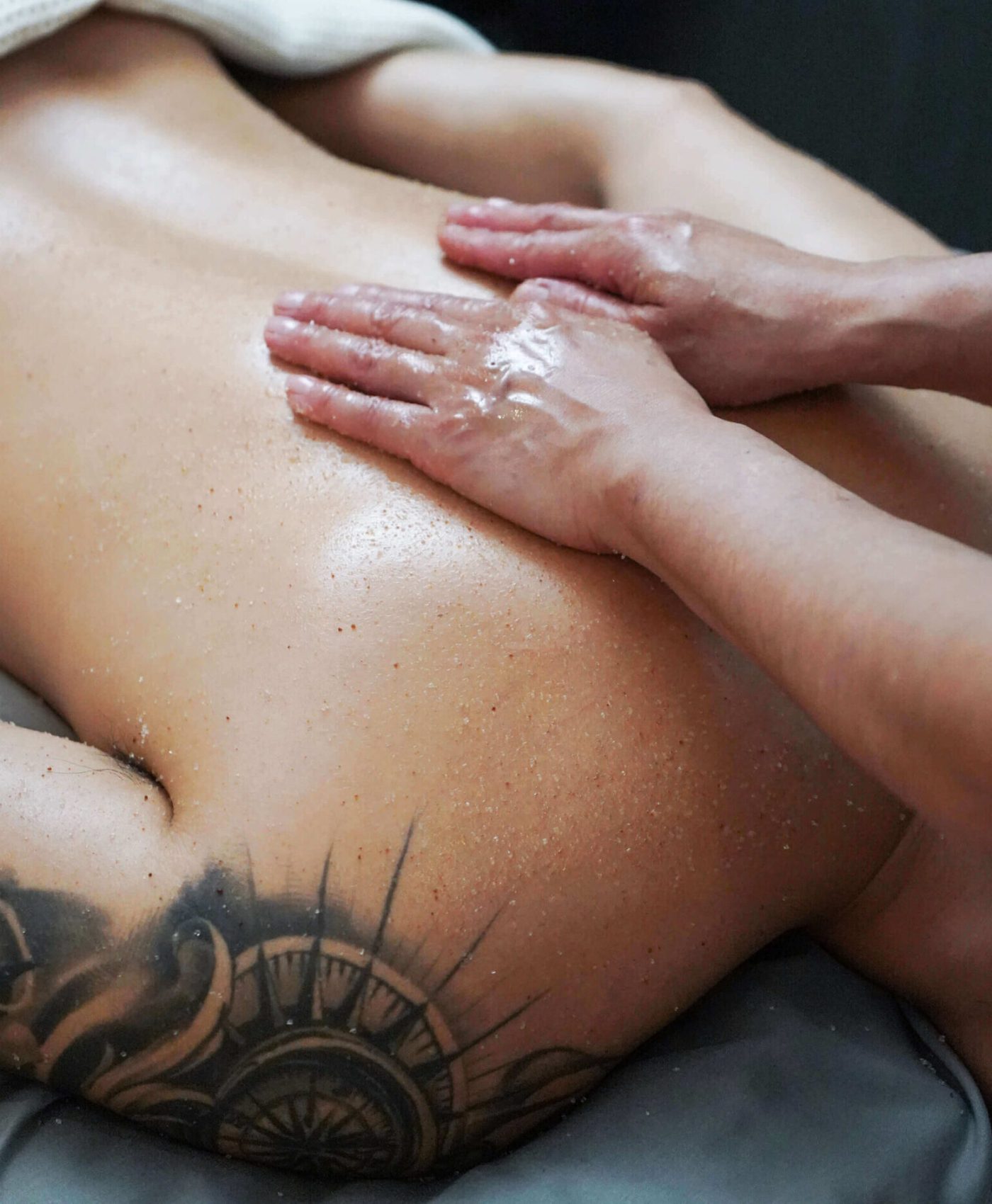
Why Sydney CBD Clients Love Massage at Zen Day Spa
At Zen Day Spa Sydney, our therapists specialise in neck, shoulder and upper back pain relief for office workers, tech professionals and anyone struggling with posture issues. We combine:
- Skilled remedial and deep tissue techniques
- Knowledge of postural biomechanics
- Individualised treatment plans
Rather than masking pain, we aim to retrain muscles, reset tension and improve your posture long term.
Book your posture-focused massageShare On: