
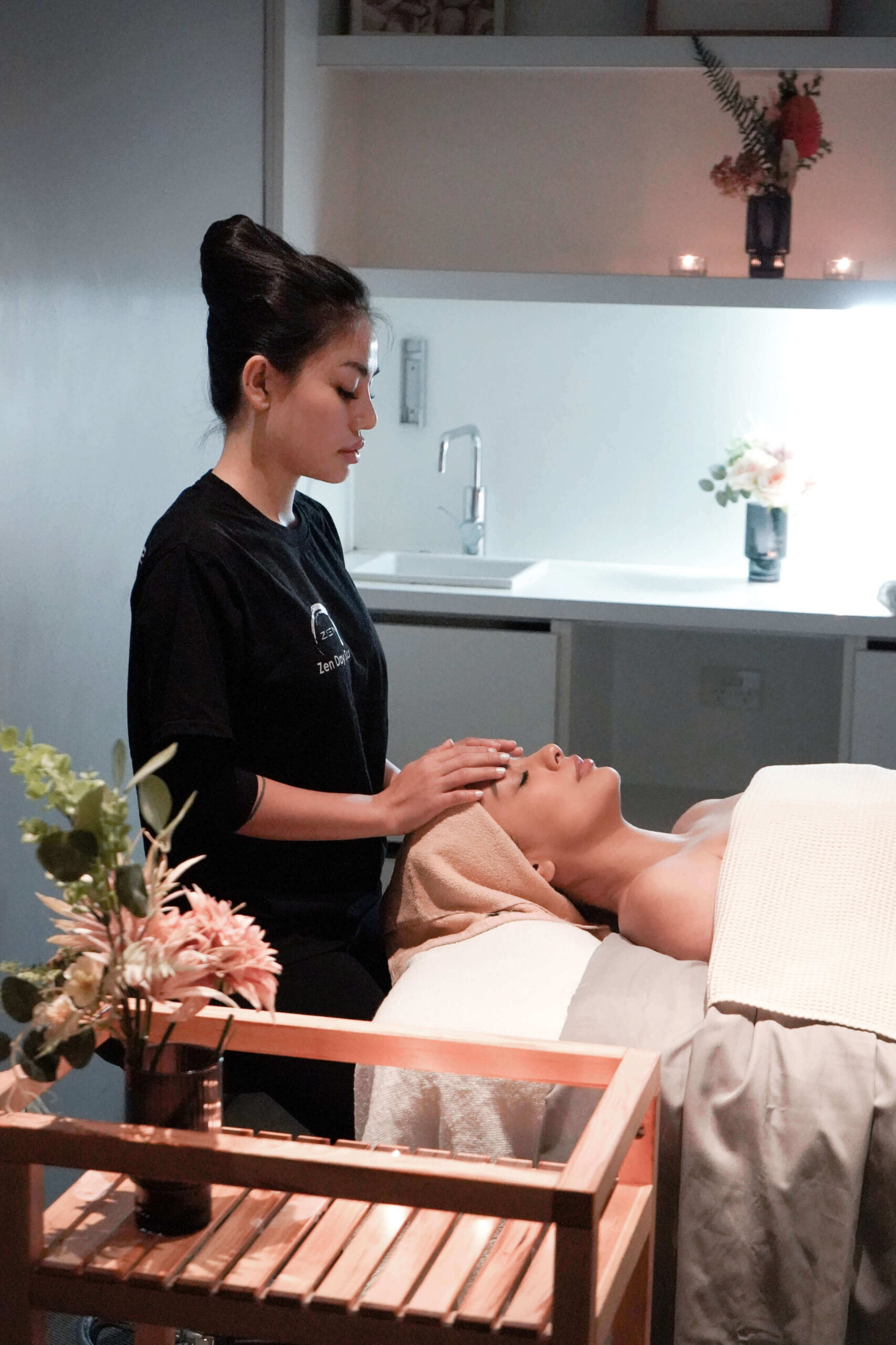

Many people experience headaches, neck tightness or shoulder pain from long hours at a desk, stress, postural strain, or even sleep habits. Because these pain patterns are often connected to muscle tension and referred pain patterns in the body, massage therapy can play a key role in both relieving pain and supporting long-term comfort.
Understanding Headaches, Neck & Shoulder Pain
- Tension headaches are the most common type and are often linked to muscle tightness in the neck, shoulders and upper back.
- Migraines can also be triggered or worsened by muscular tension and postural stress, even if the actual cause is neurological.
- Poor posture, tech neck, clenching the jaw, stress, and repetitive strain all contribute to build-ups of tension that refer pain into the head.
Tension in the neck and shoulders can cause pain that radiates to the head — especially at the base of the skull or temples — because the muscles and connective tissues are all interconnected.
How Massage May Help (Science & Mechanisms)
Though massage isn’t a “cure” for all conditions, research and clinical experience show multiple ways it may help reduce pain and improve comfort:
1. Muscle Tension Relief
Massage targets muscle tightness in the neck, shoulders, upper back and scalp — common contributors to tension headaches.
2. Improved Blood Flow & Circulation
Enhanced circulation from massage helps deliver nutrients and oxygen to tissues, which may reduce pain and support recovery — this can be especially beneficial around the head and neck regions.
3. Reduced Stress & Relaxation Response
Physical touch and muscular release can reduce stress hormones and promote relaxation, which helps decrease both headache frequency and severity for many people.
4. Trigger Point Release
Trigger points — tight, tender “knots” in muscles — can refer pain to other parts of the body, including the head. Targeting these points via massage can ease referred pain patterns.
5. Posture Improvement
Massage that restores balance and flexibility in the neck and shoulder muscles can improve posture, reducing recurrent strain and associated headaches and discomfort.
Research also suggests that regular massage can reduce the frequency of chronic tension headaches over time. One clinical study reported a meaningful decrease in headache frequency after a regimented massage program, supporting massage as a non-pharmacological option for tension-type headaches.
Massage Techniques That Target Head, Neck & Shoulder Pain
Different massage approaches can be tailored to your symptoms and pain patterns:
🌀 Trigger Point Therapy
Targeted pressure on tight knots in muscles helps reduce referred pain into the head and jaw, especially useful for tension headaches and shoulder-neck referral patterns.
💪 Deep Tissue & Remedial Massage
This technique works deeper into the muscle fibres and connective tissues to release chronic tightness and reduce strain patterns around the upper body.
🤲 Myofascial Release
Focusing on fascia (connective tissue), this helps ease restrictions that contribute to pain patterns between the shoulders, neck and head.
💆 Soft Tissue & Relaxation Massage
Gentle strokes calm the nervous system, reduce stress-related tension, and can provide immediate relief and relaxation.
Some clinics also integrate stretch therapy, dry needling, and cupping as part of a tailored approach for clients with complex pain patterns.
What to Expect From Your Massage Session
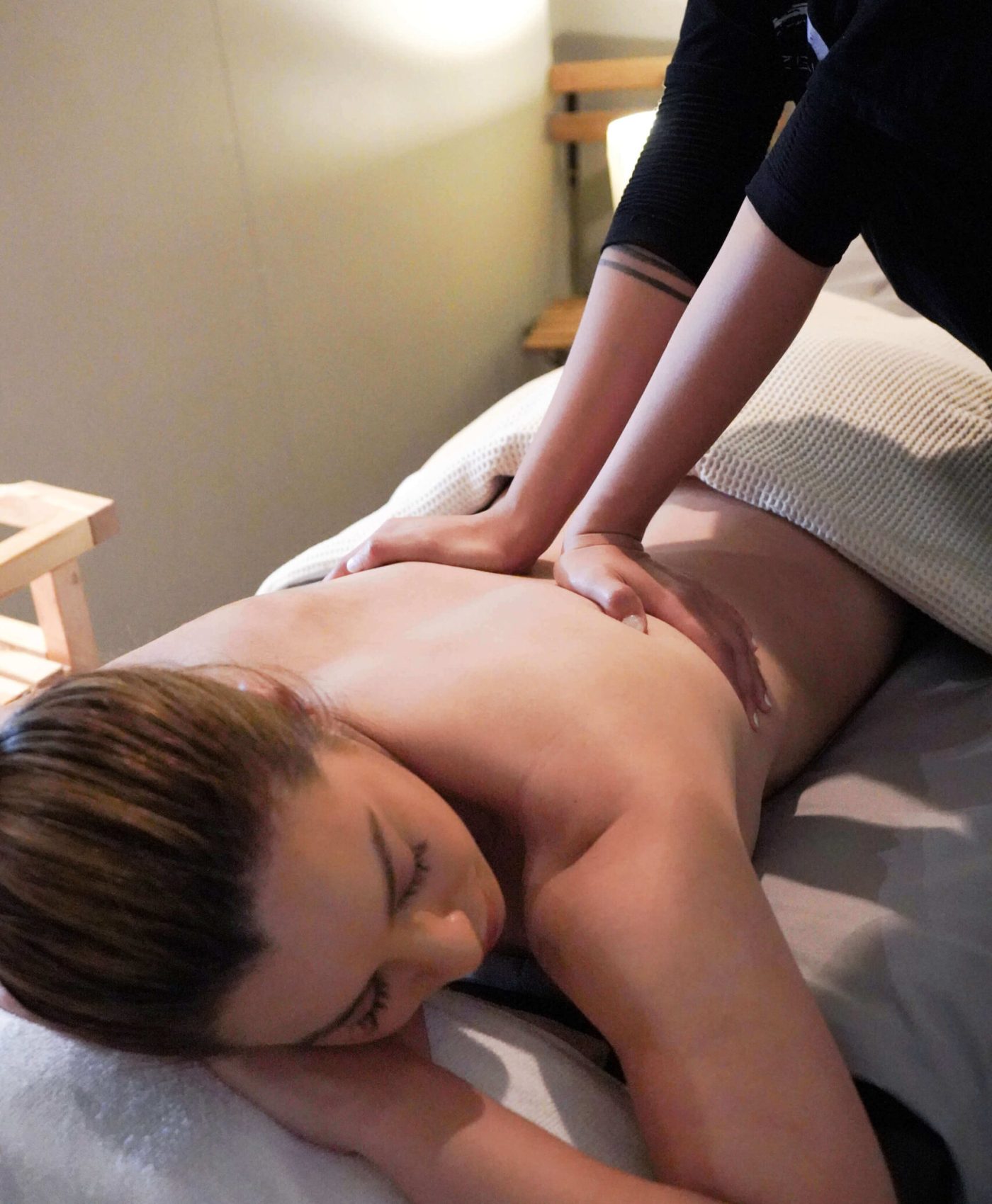
A typical session for headaches, neck or shoulder pain includes:
- Initial assessment of posture and pain areas
- Gentle evaluation of movement and muscle tension
- Targeted work on muscles around the neck, shoulders, upper back and sometimes you jaw
- Trigger point release or deeper pressure where appropriate
- Guided self-care tips and posture advice to maintain results between sessions
Always communicate your pain level and preferences — massage therapists can adjust pressure, technique and focus areas to suit your comfort.
Tips to Enhance Relief & Recovery
To improve long-term outcomes:
✅ Stay hydrated
✅ Take short posture breaks from screens
✅ Stretch your neck and shoulders regularly
✅ Follow your therapist’s self-care recommendations
✅ Consider a series of sessions instead of a one-off for recurring pain
FAQs
Q: Can massage help migraines as well as tension headaches?
Massage can help reduce muscle tension and stress that often trigger migraines, and may lessen the frequency or intensity in some individuals, but it’s not a standalone cure for neurological migraine disorders.
Q: How soon will I feel results?
Some people feel immediate relief; for chronic pain patterns, regular sessions over weeks may yield the best results.
Q: Is massage safe for all types of headaches?
Massage is generally safe, but if you have sudden severe headaches, neurological symptoms, fever, or other red-flag signals, seek medical advice first. Professional assessment ensures the right treatment pathway.
When to Seek Further Medical Advice
Massage is supportive and effective for many people with pain patterns linked to muscle tension. However, you should consult a GP, physio or specialist if you experience:
- Sudden severe headaches
- Vision or speech changes
- Numbness or weakness
- Headaches that worsen over time
These could be signs of a more serious condition.
How Often Should You Book to See Real Results?
For anxiety and burnout, consistency usually matters more than intensity.
A practical approach many people find sustainable:
- Acute stress period: weekly or fortnightly for 4–6 weeks
- Maintenance: every 3–4 weeks (or aligned with your workload peaks)
Some writing also notes that even shorter sessions can produce an immediate reduction in stress symptoms, but longer-term routines are typically used for sustained change.
How to Get the Most Out of Your Massage (Especially for Anxiety)
Before your session
Arrive 10–15 minutes early (avoid rushing in stressed)
Tell your therapist:
pressure preference
any areas you don’t want touched
if you’re feeling anxious today (so they can keep it extra calming)
During your session
Ask for adjustments anytime: pressure, focus areas, temperature, music
If your mind is racing, use a simple anchor:
slow exhale
notice contact points (feet, hands, back)
relax jaw + shoulders
After your session
Drink water
Avoid scheduling intense meetings immediately after
Keep the rest of your day “soft” if possible (walk, shower, early night)
These small choices amplify the nervous-system benefits that massage is aiming to trigger.
Important Note: Massage Is Supportive — Not a Replacement for Care
Massage can be a powerful support tool for stress regulation, tension relief, and sleep — but if you’re experiencing ongoing anxiety, panic symptoms, depression, or severe burnout, it’s best used alongside professional mental health care.
If you ever feel unsafe, overwhelmed, or unable to function day-to-day, reach out to a GP or mental health professional promptly.
Share On: