


Anxiety and burnout aren’t “just in your head.” They often show up in the body first: tight shoulders, headaches, jaw clenching, shallow breathing, poor sleep, digestive discomfort, and that wired-but-exhausted feeling. When stress becomes constant, your nervous system can get stuck in “fight or flight,” making it harder to switch off — even when you want to.
Massage therapy is widely used as a wellness tool for stress relief, but what does science actually say about massage for anxiety and burnout? Let’s break down what research and clinical writing suggests — plus how to use massage as part of a realistic recovery routine.
Anxiety, Burnout, and the Body: Why It Feels So Physical
When you’re under pressure, your body activates the sympathetic nervous system (your “fight or flight” response). This can increase muscle tension, heart rate, and stress hormones like cortisol — helpful in short bursts, but draining when it becomes your daily baseline.
Burnout is often described as emotional, physical, and mental exhaustion caused by prolonged stress, commonly paired with sleep disruption, reduced motivation, feeling overwhelmed, and physical symptoms like headaches and muscle tightness.
This is where massage can matter: it doesn’t “fix everything,” but it may help your body shift out of stress mode — and that can make coping easier.
What Science Says Massage Can Improve
Across clinical and non-clinical groups, research writing and reviews report that massage therapy is associated with reduced symptoms of anxiety and depression, and may support stress regulation in the body.
Importantly, several sources also emphasize massage as a complementary therapy — supportive alongside appropriate medical and mental health care, not a replacement.
So what changes might people notice?
Commonly reported benefits include:
- Feeling calmer and less “on edge” after sessions
- Reduced muscle tension and stress-related pain
- Better sleep quality and easier relaxation
- Improved mood and sense of wellbeing (often linked to neurotransmitters/endorphins)
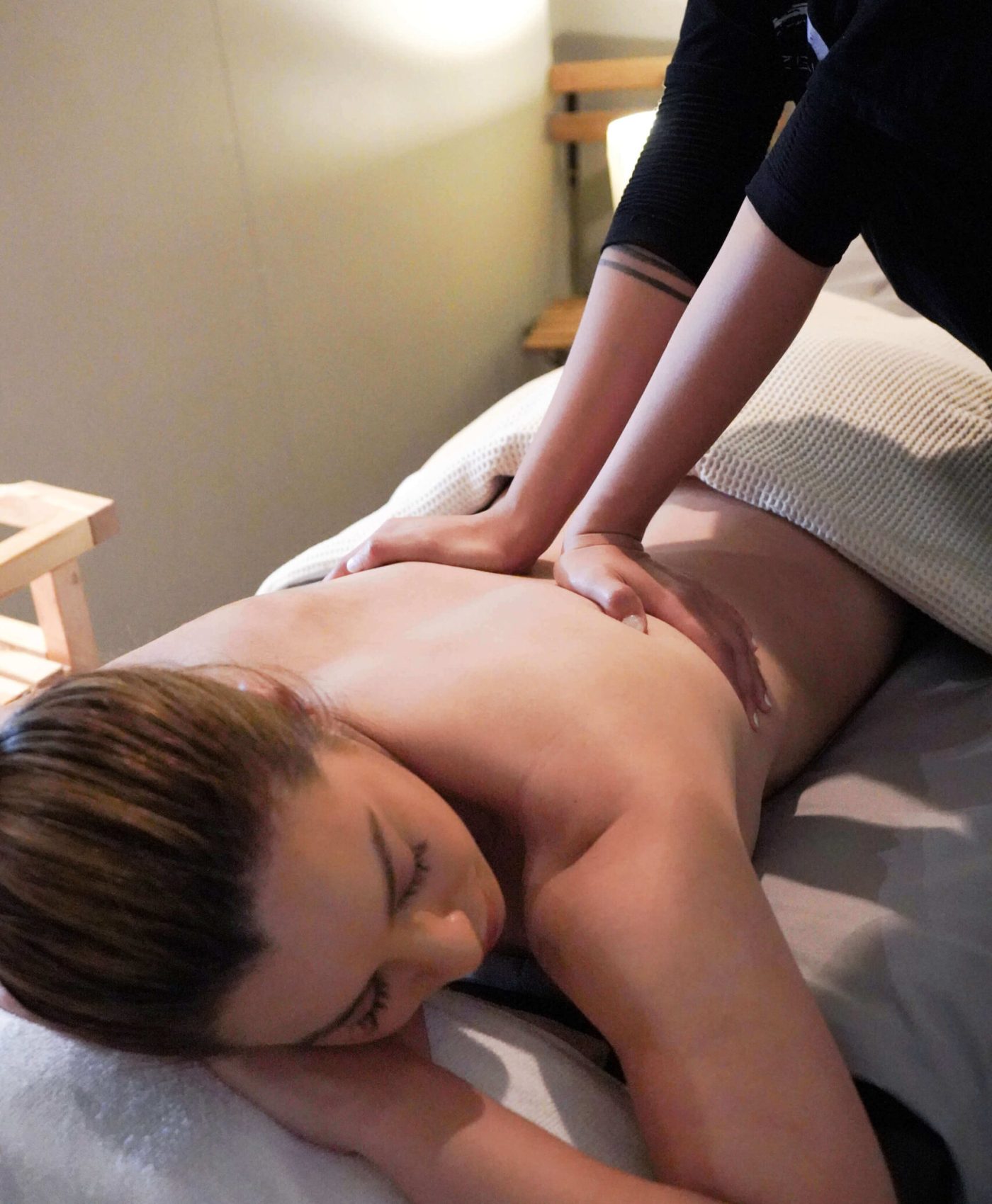
How Massage May Help: The Key Mechanisms
Yes — most professional spas provide:
- A private change room
- A robe
- Disposable underwear (for certain treatments)
- Slippers
You’ll be given time to change and settle in before your therapist begins. If you’re unsure at any stage, spa staff are always happy to guide you discreetly.
What to Wear During a Massage
1) It supports the “rest and digest” response
Multiple sources describe massage as engaging the parasympathetic nervous system (“rest and digest”), which counters fight-or-flight. This shift is linked with lower heart rate, reduced blood pressure, and a calmer internal state.
2) It may lower stress hormones and help “reset”
Massage is commonly discussed as helping reduce cortisol (the stress hormone) and supporting a relaxation response that can make you feel calmer and more mentally clear.
3) It may increase “feel-good” brain chemicals
Several sources highlight increases in neurotransmitters associated with improved mood and relaxation — commonly named as serotonin, dopamine, and endorphins.
4) It reduces physical tension that feeds mental stress
Stress often shows up as tight traps, neck tension, headaches, or back pain. By easing the physical load, massage can create a positive feedback loop: less pain → less stress → easier relaxation.
5) The “safe touch” factor matters (especially for burnout)
Some mental-health-focused massage literature highlights the importance of therapeutic alliance, trust, safety, and trauma-informed care — because feeling safe in your body is part of nervous system regulation.
Which Massage Styles Are Best for Anxiety and Burnout?
There’s no single “best,” but the goal is nervous system downshifting + releasing stress tension.
Common options (and when they fit):
- Relaxation / Swedish massage: gentle, flowing strokes for calming and decompression
- Remedial massage: targeted work for stress-related tension patterns (neck/shoulders/back)
- Deep tissue (if you like firm pressure): for chronic tightness — best when your body responds well to deeper work
- Lymphatic-style / drainage approaches: often discussed for recovery and relaxation (especially when you feel heavy/fatigued)
If you’re burnout-tired and overstimulated, many people do best starting with calming pressure first, then going deeper later if needed.
How Often Should You Book to See Real Results?
For anxiety and burnout, consistency usually matters more than intensity.
A practical approach many people find sustainable:
- Acute stress period: weekly or fortnightly for 4–6 weeks
- Maintenance: every 3–4 weeks (or aligned with your workload peaks)
Some writing also notes that even shorter sessions can produce an immediate reduction in stress symptoms, but longer-term routines are typically used for sustained change.
How to Get the Most Out of Your Massage (Especially for Anxiety)
Before your session
Arrive 10–15 minutes early (avoid rushing in stressed)
Tell your therapist:
pressure preference
any areas you don’t want touched
if you’re feeling anxious today (so they can keep it extra calming)
During your session
Ask for adjustments anytime: pressure, focus areas, temperature, music
If your mind is racing, use a simple anchor:
slow exhale
notice contact points (feet, hands, back)
relax jaw + shoulders
After your session
Drink water
Avoid scheduling intense meetings immediately after
Keep the rest of your day “soft” if possible (walk, shower, early night)
These small choices amplify the nervous-system benefits that massage is aiming to trigger.
Important Note: Massage Is Supportive — Not a Replacement for Care
Massage can be a powerful support tool for stress regulation, tension relief, and sleep — but if you’re experiencing ongoing anxiety, panic symptoms, depression, or severe burnout, it’s best used alongside professional mental health care.
If you ever feel unsafe, overwhelmed, or unable to function day-to-day, reach out to a GP or mental health professional promptly.
Share On: